
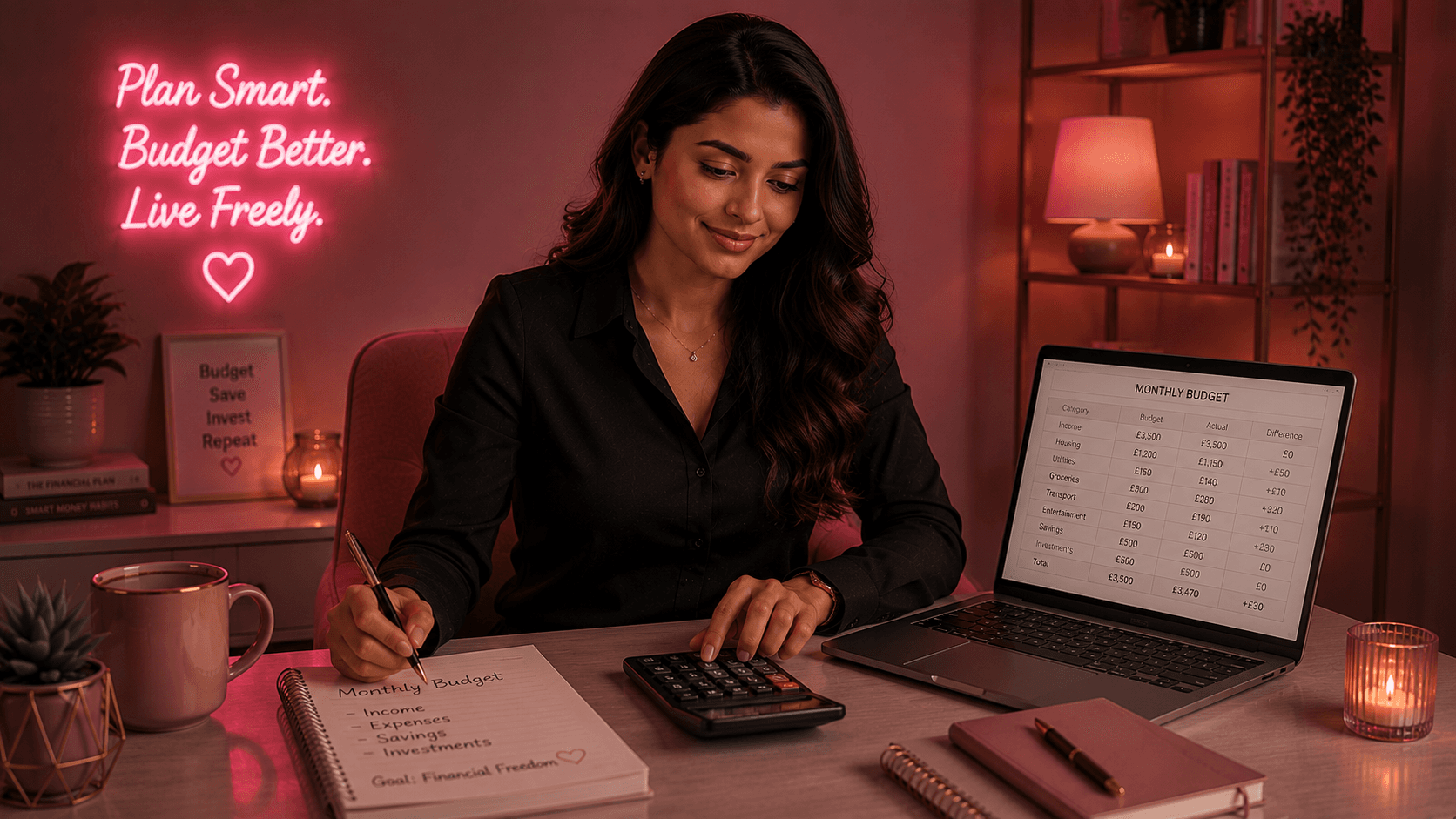
Your money, in your control.
Working for yourself or through an agency gives you real freedom, but it also means you are in charge of your own money and tax. The good news is that with a few simple habits, staying on top of it all is far easier than it looks, and it gives you genuine peace of mind.
This guide walks you through budgeting, record-keeping and tax basics in plain English. It is general guidance, not formal financial or tax advice, so do speak to a qualified accountant about your own situation.
What to Stay on Top Of
Managing your money well comes down to keeping an eye on a handful of things:
- Keeping accurate records of everything you earn
- Setting money aside for your tax bill
- Knowing your Self Assessment deadlines
- Separating business and personal spending
- Saving receipts for expenses you can claim
- Keeping your finances private and secure
Ways You Might Be Paid
How you are paid affects how you keep records, so it helps to know the common setups:
Self-Employed / Sole Trader
You work for yourself, keep your own records and file a Self Assessment tax return each year. You are responsible for setting aside your own tax and National Insurance.
Through an Agency
An agency may pay you as self-employed or handle some admin for you. Always check whether tax is deducted for you or whether you still need to declare it yourself.
Cash Payments
Cash still counts as income and must be recorded and declared. Log every payment the moment you receive it so nothing slips through the cracks.
Good to know: In the UK, most people can earn a certain amount tax-free each year (the Personal Allowance), and there is a small Trading Allowance for self-employed income too. Thresholds and rates change, so check the current figures on GOV.UK or ask an accountant rather than relying on what a friend told you.
Money Management Checklist
Employers typically look for:
- Open a separate bank account for your work income
- Record every payment you receive, including cash
- Set aside a percentage of each payment for tax
- Keep receipts for anything you might claim as an expense
- Register with HMRC for Self Assessment if self-employed
- Note your tax return and payment deadlines in your calendar
- Back up your records somewhere safe and private
- Review your income and savings once a month
Budgeting & Setting Aside for Tax
The single most useful habit you can build is putting money aside for tax as you earn it, rather than scrambling when the bill arrives. A simple approach is to move a set percentage of every payment into a separate savings pot the day you receive it. Many self-employed people set aside somewhere between a fifth and a third of their income, but the right figure depends on how much you earn and your personal circumstances, so treat that only as a rough starting point.
Because your income may vary from week to week, budgeting around your average earnings rather than your best weeks helps you avoid overspending in the good months. Cover your essentials first, keep a small emergency buffer, and treat anything left over as flexible. A separate bank account for work makes all of this far simpler, because your business money never gets mixed up with your everyday spending.
Finally, remember that this is general guidance. Tax rates, allowances and rules change, and everyone's situation is different. A qualified accountant can tell you exactly what to set aside, what you can claim and how to file, and their fee is often a claimable expense in itself.
Why It Matters
- Genuine peace of mind at tax time
- A clear picture of what you really earn
- More privacy and control over your finances
- No last-minute panic or nasty surprises
- Confidence to plan and save for the future
- Everything above board and stress-free
Tips for Staying Organised
- Log every payment the same day you receive it
- Use a simple spreadsheet or an app you will actually keep up with
- Move your tax savings straight into a separate pot
- Photograph receipts before they fade or get lost
- Set a monthly reminder to review your records
- Speak to an accountant before your first tax return
Keeping Your Money Secure
Protecting your money is part of protecting yourself. Use a separate bank account for work, choose strong and unique passwords, and turn on two-factor authentication for your banking and any payment apps. Never share your PIN, card details or account logins with anyone, including someone claiming to be from an agency.
Be wary of anyone who pressures you to pay upfront fees, hands over your earnings to a third party, or asks you to move money on their behalf, as these are common signs of a scam. Keep your financial records password-protected and stored somewhere private. If something feels wrong, trust your instincts and check our Safety Centre before you act.
Frequently Asked Questions
Do I need to pay tax on cash payments?
Yes. Cash counts as income just like a bank transfer, and it must be recorded and declared. Log every cash payment as soon as you receive it so your records stay accurate.
How much should I set aside for tax?
Many self-employed people put aside roughly a fifth to a third of what they earn, but the right amount depends on your total income and circumstances. An accountant can give you a precise figure for your situation.
Do I have to register with HMRC?
If you are self-employed and your income is above the current threshold, you usually need to register for Self Assessment and file a tax return each year. Check the latest rules on GOV.UK or ask an accountant.
Can I claim expenses?
Often yes. Costs that are genuinely part of your work, such as travel, phone use or an accountant's fee, may be claimable. Keep your receipts and get advice on what counts in your case.
Want more guidance on earnings and pay?
Explore more advice on managing your money, staying safe and building a career on your terms.